
Case Overview
AI momentum is bringing consumer robots into public attention. For brands, however, being seen is less important than being needed.
Business Challenge
The product may look impressive, but users still ask why they should buy it. Traffic may be high, but it must lead to search, conversion and repeatable scenarios.
POOK Approach
- AI insight: Test technology review, smart home, parent-child, family companionship and AI vertical content signals.
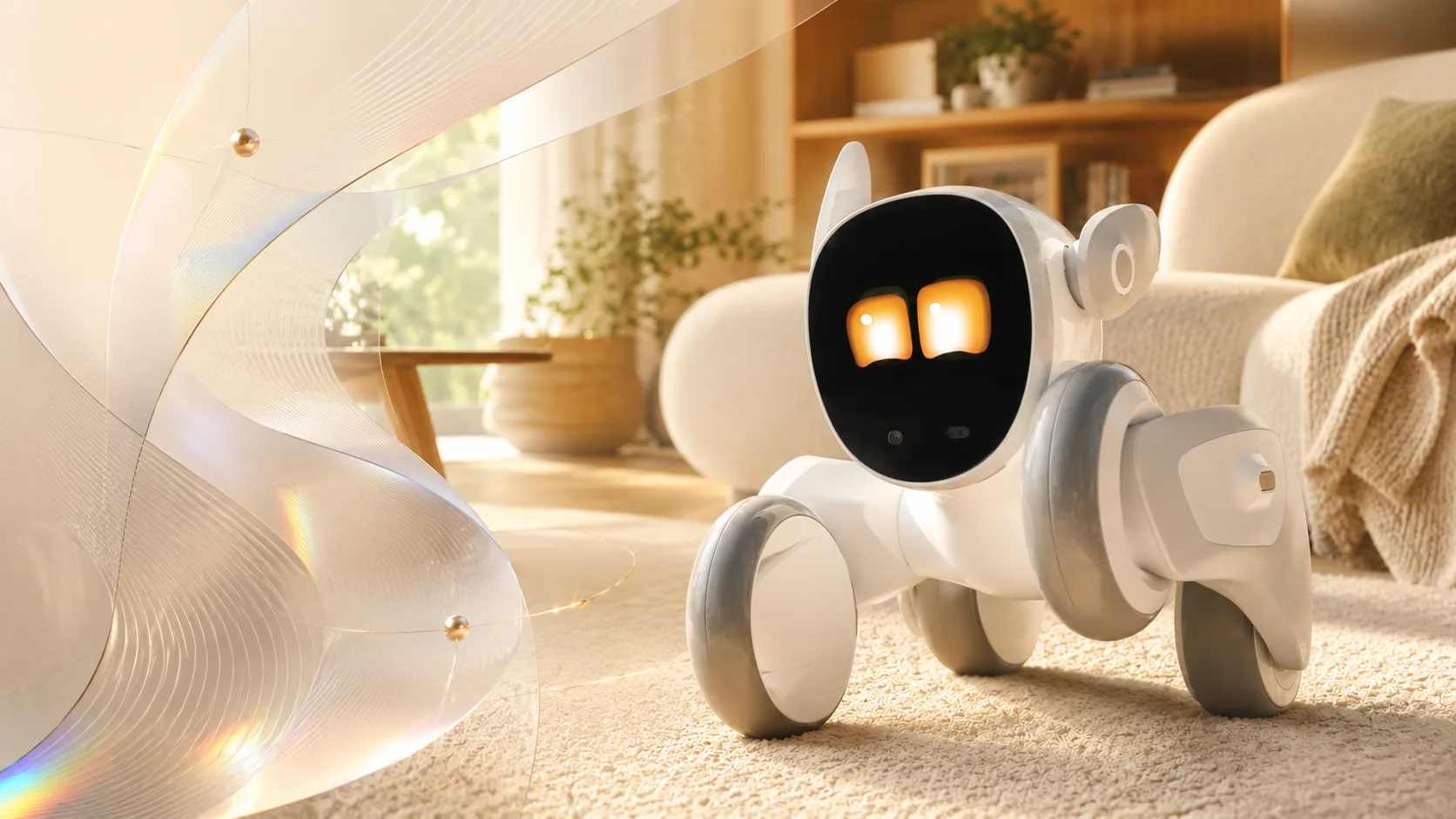
- Scenario translation: Reframe the product from an AI robot into a smart companion for family life.
- Content layering: Use top creators for awareness, mid-tier creators for precise penetration and vertical accounts for category breakout.
- Channel loop: Connect external seeding with Tmall and JD conversion, then feed data back into the next round.
Business Value
Family and parent-child use cases became a clearer content direction, connecting external education, marketplace search and commerce readiness.
Operating Model
POOK moved from broad technology interest to specific household jobs, purchase barriers and family routines. Content tests, commerce response and user questions were used to separate curiosity from situations with credible willingness to pay.
Evidence and Review
The reusable evidence is not a single viral asset. It is the connection between a defined household problem, an approved product capability, a content hypothesis, a channel response and the next product or service decision.
- 70%+Brand search growthRounded year-on-year result at a priority operating moment.
- c. 60%Priority-channel sales growthPhase year-on-year basis; absolute sales are not disclosed.
POOK View
Consumer robotics growth begins when a cool product becomes a clear life use case that users can understand, search and buy.